
Card-Linked Offers: 7 Ways to Reduce Customer Churn


Keeping customers loyal in fintech is tough. Did you know 73% of users abandon fintech apps within the first week? Worse, 92% leave within two years. Losing customers isn’t just frustrating - it’s expensive. Acquiring new users costs 5 to 25 times more than retaining existing ones.
Card-linked offers (CLOs) are a smart way to tackle churn. These rewards, tied to a user’s debit or credit card, are automatic and hassle-free. Here’s why they work:
- Reduce churn by 12–18%.
- 15% of inactive users re-engage after one rewarded transaction.
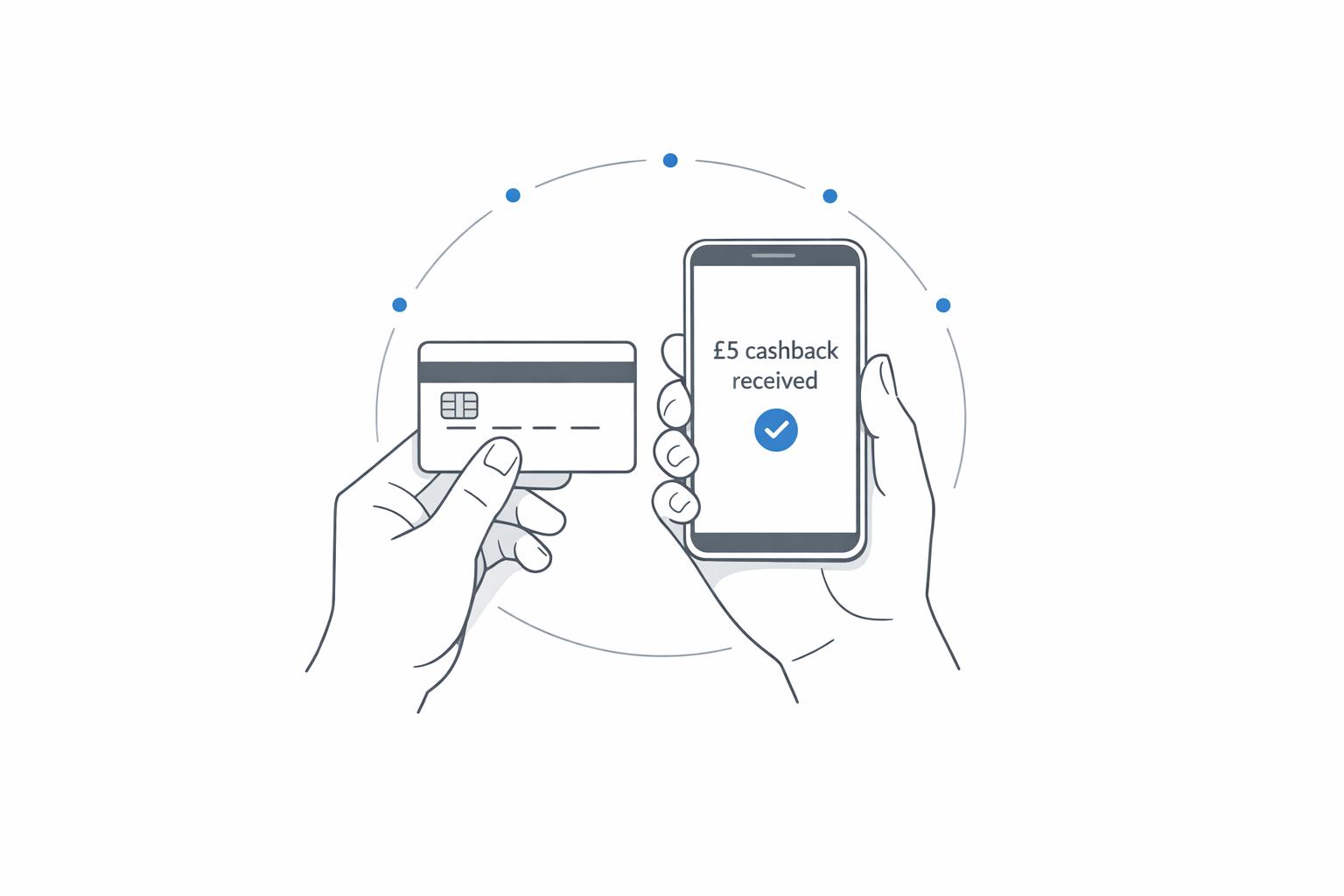
- Instant cashback notifications boost loyalty with immediate satisfaction.
This article breaks down 7 actionable strategies to use CLOs effectively:
- Personalise cashback based on spending habits.
- Automate activation for effortless rewards.
- Offer shared cashback to drive referrals.
- Target high-churn users with timely incentives.
- Integrate rewards across all customer touchpoints.
- Use tiered loyalty levels to encourage repeat spending.
- Build trust with clear payout systems and spending insights.
Fintechs using these strategies have seen a 30% drop in churn, 15% more active users, and 50% higher card spending. Let’s dive into how you can make this work for your business.

7 Card-Linked Offer Strategies to Reduce Fintech Churn
Swipe, Earn, Repeat: Unlocking the Power of Card-Linked Offers
sbb-itb-7be8469
1. Personalise Cashback Offers Using Transaction Data
Tailoring cashback offers based on transaction data is a game-changer for creating an effective card-linked rewards programme. Every time a card is used, it generates valuable details about spending patterns - what was purchased, where, how frequently, and for how much. This data allows fintech companies to craft rewards that match individual habits, rather than relying on generic offers that may not resonate.
Card-linked offer platforms use APIs to access real-time transaction data, build detailed spending profiles, and create micro-segments for targeted cashback or rewards. This approach not only makes offers more relevant but also leads to measurable improvements in customer retention.
The results speak for themselves: personalised cashback offers can reduce card churn by 12–18%, and in some cases, by as much as 30%. They also boost monthly active users (MAU) by 15%, increase spending by 11%, and raise redemption rates to 15–25%, compared to just 6.8% for standard coupons.
A great example of this strategy in action comes from a campaign launched in early 2026. A fast-casual Italian restaurant chain partnered with a leading card-linked offer platform to target younger, tech-savvy consumers. By offering 4% cashback, the campaign generated over £530,000 in sales and 6,000 redemptions per week. Notably, 81% of these redemptions came from first-time customers who had never visited the chain before. This demonstrates how aligning rewards with actual spending habits can drive substantial engagement.
Timing is just as critical as personalisation. For instance, presenting a dining reward when a user is reviewing their restaurant spending in a banking app can significantly increase engagement rates.
Using transaction data to personalise cashback offers is a powerful way to connect with the right customers at the right moment.
2. Automate Reward Activation
Even the best personalisation efforts can fall short if customers have to jump through hoops to claim their rewards. Manual activation systems - where users need to open an app, search for offers, and manually activate them before shopping - create unnecessary hassle. Forget to activate an offer before paying? You lose out entirely.
That’s where automation changes the game. With API-first infrastructure and real-time webhooks, rewards are applied instantly as soon as a transaction clears. No need for coupon codes, QR scans, or even opening an app. As Christian Gonzalez, Merchant Sales Director at Kard, explains:
"Seamless rewards - which are automatically applied at checkout - provide an elevated, frictionless experience that consumers now expect."
This kind of effortless system isn’t just convenient; it delivers tangible results. Automated card-linked programmes boast active participation rates between 45–65%, a huge improvement over the 18–22% seen with traditional loyalty schemes. Automatic reward notifications also re-engage about 15% of previously inactive cardholders with their banking apps, while frictionless redemption helps cut churn by 30%.
For fintech teams, speed and scalability are key. Platforms like Boogi, which are modular and API-first, allow rewards to be seamlessly integrated into existing card programmes without the need to overhaul core systems. Real-time transaction matching is handled by webhooks, while an auditable sub-ledger automates reconciliation. This not only reduces engineering work but also delivers immediate benefits.
The move from manual, rules-based systems to always-on reward engines is reshaping loyalty technology. When customers know they’ll earn rewards on every eligible purchase without lifting a finger, their card becomes the go-to choice. And that kind of consistency is what builds lasting loyalty.
3. Use Shared Cashback to Drive Referrals
Shared cashback takes the concept of automated rewards and adds a layer of user-driven growth. By rewarding both the referrer and the new user, it transforms satisfied customers into advocates. This dual-sided approach makes sharing a win-win, which is why referral programmes that benefit both parties consistently outperform those that only reward one side.
The stats speak for themselves: referred customers in fintech are 18–25% less likely to churn, boast a 25% higher lifetime value (LTV), and convert at three to five times the rate of users acquired through paid channels.
Card-linked systems make this process seamless by automating reward tracking at the transaction level. Forget manual codes or clunky sharing processes - a simple, personalised referral link in a banking app is all it takes. Blake Ziolkowski, Senior Director of Merchant Sales and Operations at Kard, explains:
"Consumers are in their banking app because they're thinking about spending money and trying to get a deal. If your brand pops up there, they associate you with something worthwhile to spend money on."
The secret to effective design lies in tying rewards to meaningful actions - like a first card purchase, a qualifying deposit, or completing a set number of transactions - rather than just signing up. This ensures the focus is on users who are more likely to stay engaged. Platforms such as Boogi make this possible with automated webhook integration, instantly crediting rewards when a referred user meets the criteria. This real-time feedback keeps both the referrer and the new user motivated, laying the groundwork for even more advanced retention strategies.
4. Target High-Churn Segments with Timely Offers
Fintech companies face a staggering challenge: up to 73% of customers can churn within their first week. This makes it critical to spot early warning signs of disengagement. Using data-driven cohort analysis is a powerful way to do this. By categorising users into acquisition, behavioural, and predictive cohorts, you can pinpoint issues like low feature usage, missed onboarding steps, or reduced wallet share. For example, Dave's data reveals that customers who set up recurring expenses during onboarding are retained at rates 5.7 times higher than those who skip this step. This makes users who bypass onboarding milestones an obvious group to re-engage. Similarly, sudden drops or shifts in spending patterns often signal an impending churn risk. This segmentation approach aligns seamlessly with personalised, automated strategies.
Once you've identified these at-risk groups, acting quickly with tailored incentives can make all the difference. For high-churn segments, a diminishing discount strategy works particularly well. For instance, offering 15% cashback on the first re-engagement purchase, followed by 10% on the second and 5% on the third, helps rebuild spending habits while keeping reward costs manageable. Unlike broader retention tactics, this strategy hones in on users already showing signs of disengagement. Research shows that 15% of previously inactive cardholders re-engage after just one rewarded transaction.
"Card linked partners... help increase average order value by encouraging spend above set thresholds and target new, lapsed, or competitor customers with precision." - Awin
To make these targeted offers even more effective, platforms like Boogi enable API-driven offer triggers and real-time webhooks. This means cashback offers can be activated instantly when a customer becomes inactive, eliminating the need for manual intervention. Additionally, the use of Proof of Purchase (PoP) APIs - instead of cookies - ensures accurate tracking of retention impact. By comparing exposed and control groups, you can confidently measure which strategies are truly effective.
"As acquiring a new customer can be up to 25 times more expensive than holding on to an existing one, paying attention to keeping the ones you already have is an excellent place to start." - Lucy Harwood, Former EMEA Content Marketing Manager, Amplitude
5. Connect Rewards Across All Customer Touchpoints
When it comes to targeting at-risk users, timing your offers perfectly only works if those users actually notice and appreciate the value of your rewards programme - no matter where they interact with your product. Considering that 73% of users engage across three or more channels, limiting your rewards experience to just one part of your app risks leaving it overlooked.
This is where card-linked offers shine. Thanks to automated rewards, these offers work seamlessly across multiple channels. Rewards are triggered automatically by card transactions, whether customers are shopping in-store or paying online. No promo codes. No manual steps. This simplicity is critical, especially when research shows that nearly 25% of rewards cardholders fail to redeem any rewards within a year, often because they didn’t even realise the offer was available.
Consistency is key to bridging this awareness gap. Studies suggest it can take 8–9 interactions across different channels for a customer to fully grasp and engage with a rewards programme. To achieve this, rewards messaging should be woven into every customer touchpoint - onboarding flows, app banners, push notifications, emails, and more. Tools like Boogi make this possible by using real-time webhooks to send instant push or SMS notifications after a qualifying transaction. These notifications act as a "microcelebration" - a small but impactful way to let customers know their spending is being rewarded. This consistent reinforcement not only boosts awareness but also highlights the value of a well-integrated rewards system.
"Every step in the customer journey from discovering your brand to swiping a card for a purchase has the potential to reinforce the value your cardholder can get from rewards." - Kard
The numbers back this up: omnichannel consumers are at least 1.25 times more valuable than single-channel users. Banks that integrate behavioural rewards directly into their app's user experience see up to 3x higher feature adoption. In short, ensuring rewards are visible across all touchpoints isn’t just good design - it’s a proven way to retain customers.
6. Use Tiered Loyalty Levels to Encourage Repeat Spend
Tiered loyalty programmes build on the idea of timely, targeted rewards by giving customers ongoing incentives to keep coming back.
These programmes rely on a simple yet powerful principle: the more a customer engages, the better their rewards. This taps into our natural desire for recognition and status. As customers climb to higher tiers, they develop an emotional connection to the programme, making it harder to switch to competitors. In fact, tiered loyalty structures are shown to drive 1.8x higher customer lifetime value (CLV) compared to flat programmes. Members in the top tiers also spend 2.5x more per transaction and visit 3x more frequently than those in the entry-level tier.
For card-linked loyalty systems, tiered structures work particularly well. Spending data from transactions can automatically track and adjust a customer’s tier without any manual effort. Boogi’s technology enables this kind of seamless automation, ensuring customers are promoted (or demoted) based on their actual spending habits. Most successful programmes use 3 to 5 tiers, keeping the system straightforward. The entry tier should be easy to access - such as by opening an account or making a first purchase - while higher tiers require consistent spending over a rolling 12-month period. This rolling timeframe encourages steady activity throughout the year rather than a rush to spend at year-end.
A great example of this approach comes from streetwear brand Jordan Craig. In July 2024, they introduced a three-tier programme - Pros, Stars, and Legends - that rewarded customers with "clout" instead of traditional points. Top-tier members enjoyed perks like early access to collections and personalised communication. The results? A 59x ROI, a 12.23% increase in average order value, and a 4% boost in overall loyalty engagement. By focusing on non-monetary rewards at the highest tier, they delivered strong returns without cutting into profit margins.
"A flat program says 'everyone who shops here gets rewarded.' A tiered program says 'the more you shop here, the better your experience gets.' That distinction is what drives the spending increases." - JeriCommerce
Another effective feature is the grace period. When a customer risks dropping to a lower tier, offering a 60–90 day window paired with targeted "status check" notifications can help recover 30–40% of at-risk members. Adding visual cues, like a progress bar in your app, can further motivate customers. This taps into the goal gradient effect, where people naturally increase their efforts as they get closer to achieving a goal.
7. Build Trust with Clear Payouts and Spending Insights
After implementing strategies to personalise and automate rewards, the next step is ensuring transparency. This is key to solidifying trust, a cornerstone of customer retention in fintech. Trust isn't just a bonus here - it’s the very foundation of the industry. As TheFlyy aptly states:
"Trust is the currency here. People handle their hard-earned money and sensitive financial data; losing trust is unacceptable." - TheFlyy
One of the quickest ways to lose that trust? Unclear reward structures. Alarmingly, 61% of users have abandoned a fintech app due to security or privacy concerns, and 71% will leave after just one poor customer service experience. Vague cashback systems contribute to this "silent churn", where users disengage quietly long before officially closing their accounts.
To counter this, rewards need to be both visible and predictable. A well-designed dashboard can work wonders by showing key details like enrolment status, recent qualifying transactions, and total cashback earned. Real-time push notifications - for example, "You just earned 5% cashback on your Tesco shop" - provide instant reassurance that the rewards programme is delivering. Personalised notifications like these have been proven to significantly boost retention rates. Platforms like Boogi take this a step further with transparent settlement payouts and an auditable ledger, ensuring both businesses and users are always in the loop. Clearly communicating when a transaction is still "pending" validation can also help reduce uncertainty, frustration, and the volume of support queries.
Beyond trust, spending insights can deepen engagement. By showing customers where they earn the most cashback and highlighting their spending patterns, the app becomes more than just a transactional tool - it becomes indispensable. Personalisation helps users feel understood and valued, fostering trust and loyalty. This emotional connection is what elevates a rewards programme from a simple perk to a powerful tool for retention.
Conclusion
With acquisition costs running 5 to 25 times higher than retention, customer churn is an expensive challenge for any fintech. The seven strategies outlined here show how card-linked offers (CLOs) can transform everyday card spending into a powerful tool for keeping customers loyal.
By personalising cashback, automating rewards, targeting inactive users, and ensuring transparent payouts, fintechs can strengthen customer relationships. These steps make loyalty an integral part of the user experience, rather than just an added bonus. Fintechs adopting CLO programmes have reported a 30% drop in churn, a 15% rise in Monthly Active Users, and a 50% boost in overall card spending.
CLOs work quietly in the background, offering effortless rewards that let users earn while they spend. Blake Ziolkowski, Senior Director of Merchant Sales at Kard, highlights this advantage:
"CLO (Card-linked Offers) is the channel that elite performance marketers leverage to engage their most active potential customers."
For fintechs looking to implement these strategies, Boogi's rewards API provides a practical solution. It simplifies integration and offers access to cashback deals from over 1,000 UK and US brands. Features include an admin dashboard for managing offers without developer involvement, automated transaction matching, and a transparent ledger for reconciliation - all scalable to support over one million active cards. Minyi Soon, Chief Product Officer, captures its value:
"It's a seamless, developer friendly solution that delivers reliably. The team is reliable, APIs are beautifully documented and the software solves a genuine market gap - enabling small teams to achieve their engagement goals & scale their companies."
While CLOs won't eliminate churn overnight, they offer fintechs a merchant-funded, measurable way to keep customers engaged, spending, and coming back for more. Thoughtful implementation is key to unlocking their full potential.
FAQs
How do card-linked offers work in a fintech app?
Card-linked offers (CLOs) tie rewards directly to a customer’s linked payment card, whether it’s a debit or credit card. Once users activate an offer through their app and make an eligible purchase, the system tracks the transaction automatically and applies rewards such as cashback or discounts. This hassle-free process removes the need for manual input, boosting customer loyalty and engagement by delivering personalised incentives in real-time, tailored to their spending patterns.
What data do you need to personalise cashback without hurting user trust?
To make cashback offers feel personal while keeping user trust intact, focus on essential data like transaction history, spending patterns, and stated preferences. This approach helps ensure the offers are tailored and feel natural rather than intrusive.
Being upfront about how user data is used and implementing strict security measures are key to building and maintaining trust. Stick to data that users have knowingly shared or that comes directly from their transactions. Avoid delving into sensitive areas that might risk undermining their confidence.
How can you measure whether CLOs really reduce churn?
You can evaluate how card-linked offers (CLOs) influence churn by closely examining customer retention rates. Additionally, track shifts in purchase frequency and engagement levels following the introduction of CLO programmes. By observing trends over time, you can determine whether these initiatives successfully drive loyalty and encourage repeat purchases.


